
A Norse tattoo carries real weight. It’s tied to courage, fate, and the old Viking belief that your path was already written.
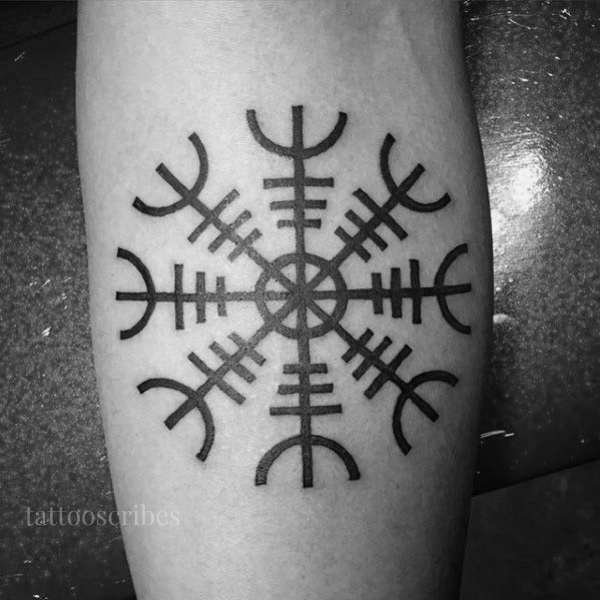
But here’s something most guides skip: not every symbol sold as “Viking” is actually from the Viking Age. The Vegvisir, often called the Viking compass, doesn’t show up anywhere until an Icelandic manuscript from 1860, hundreds of years after the Vikings were gone. You can read the full history on Norse Mythology for Smart People’s breakdown of the Vegvisir.
That doesn’t make it meaningless. It just means the story behind it is a little different than you might expect. In this guide, we’ll cover the real meaning behind Norse tattoo symbols, from Valknut to runes, and sort out what’s genuinely ancient from what’s a newer addition to the tradition.
What Does a Norse Tattoo Mean?
A Norse tattoo symbolizes bravery, protection, and the power of fate. Rooted in Viking culture, it reflects your inner warrior spirit, belief in destiny, and respect for ancestral roots.
General Symbolism of Norse Tattoos
- Courage – Shows fearlessness and the warrior mindset of Vikings.
- Fate and Destiny – Represents belief in life’s predetermined path through Norse gods.
- Honor – Embodies loyalty, truth, and moral strength.
- Protection – Ancient runes and symbols used as amulets for safety.
- Wisdom – Reflects Odin’s endless pursuit of knowledge.
- Rebirth – Signifies cycles of life and afterlife beliefs in Valhalla.
You may also like below posts:
Cultural Meanings of Norse Tattoos
- Viking Warriors – Tattoos were believed to protect in battle and show bravery.
- Norse Mythology – Each symbol connects to gods like Odin, Thor, or Freyja.
- Runic Alphabets – Carved letters held sacred energy and personal significance.
- Yggdrasil Tree – Symbolized the connection between worlds and the balance of life.
- Valhalla Belief – Represented the eternal resting place of honorable warriors.

Norse Tattoo Variations and Designs
- Valknut Tattoo – Power, death, and rebirth; linked to Odin’s warriors.
- Vegvisir (Compass) Tattoo – Guidance and protection on life’s journey.
- Yggdrasil Tattoo – Eternal life and unity of all realms.
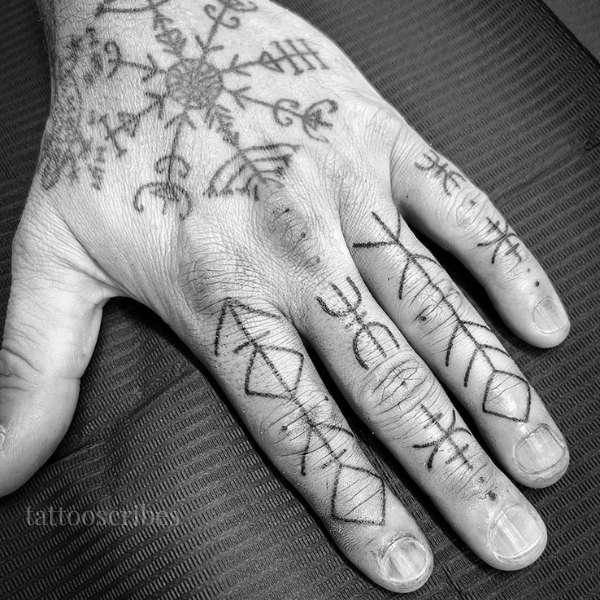
- Runes Tattoo – Personalized symbols of strength or destiny.
- Mjölnir (Thor’s Hammer) – Protection, courage, and divine power.
Learn more about selecting a Norse tattoo artist here.
Color Variations of Norse Tattoo
- Black Ink – Strength and tradition.
- Red Accents – War, energy, and passion.
- Gray Wash – Timelessness and wisdom.
Find more aftercare tips for Norse tattoos here.
Other Symbolic Meanings of Norse Tattoos
- Spiritual Strength – A reminder to stay grounded during life’s battles.
- Connection to Ancestry – Honors your family heritage and lineage.
- Balance of Life and Death – Accepting both as part of destiny.
- Faith in the Gods – Reflects trust in higher powers and divine order.
- Inner Transformation – Marks personal growth and new beginnings.
Meaningful Placement Ideas
- Chest – Strength and loyalty close to the heart.
- Forearm – Protection and power visible in daily life.
- Back – Spiritual guardianship and ancestral guidance.
- Shoulder – Symbol of burden, courage, and leadership.
- Legs – Journey through life and paths of destiny.
Frequently Asked Questions About Norse Tattoos
Are Norse tattoos still popular today?
Yes, they’re widely loved for their deep symbolism and Viking-inspired art.
Do Norse tattoos have religious meaning?
Some designs represent old Norse gods or beliefs, but most are cultural symbols.
Is it okay to get Norse tattoos if I’m not Scandinavian?
Yes, as long as you respect their origin and meaning.
What is the most powerful Norse tattoo symbol?
The Vegvisir and Valknut are often seen as the most powerful symbols.
Do Norse runes have specific meanings?
Yes, each rune represents an element of power, protection, or destiny.
Are Norse tattoos always black ink?
Traditionally yes, but modern designs often add red or gold for depth.
Wrap-up
A Norse tattoo works because it points to something bigger than the wearer: fate, courage, a connection to people who lived a thousand years ago. That’s part of the appeal.
Just go in knowing the real story behind each symbol. Some, like the runes and Mjolnir, have genuine roots in Norse mythology and archaeology. Others, like the Vegvisir, come from later Icelandic tradition and picked up a “Viking” reputation more recently. Neither is a wrong choice, but knowing the difference means you’re choosing your tattoo with your eyes open, not just a marketing label.