
Jailhouse tattoos carry real weight. Each one usually means something specific, tied to time served, loyalty, or a personal story from inside.
Sociologists have actually studied these tattoos for years. There’s Research on That has a good breakdown of what the academic research says these symbols communicate and why they matter to the people who wear them.
In this guide, we’ll walk through what jailhouse tattoos mean, from the teardrop to the five dots, so you understand the real story behind each design.
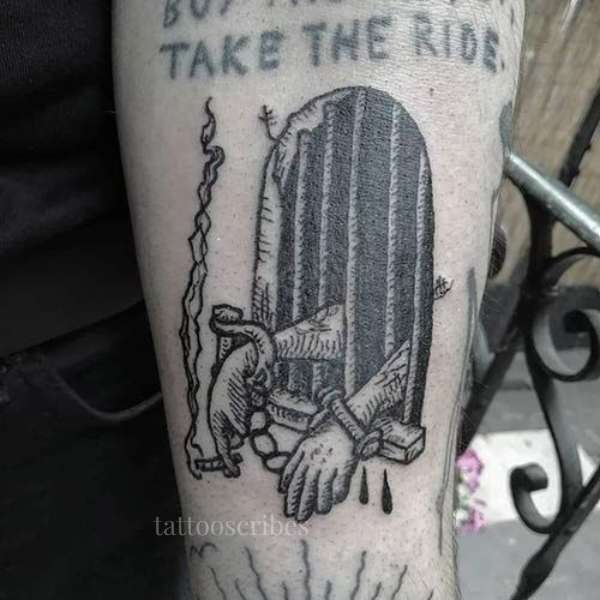
What Does a Jailhouse Tattoo Mean?
A jailhouse tattoo meaning reflects identity, resilience, and personal history. Each symbol carries hidden messages about a person’s past, beliefs, or time served. For many, it’s a mark of strength and survival through hardship.
General Symbolism of Jailhouse Tattoos
- Survival – Shows the strength to endure hardship and injustice.
- Identity – Marks belonging or personal transformation behind bars.
- Loyalty – Represents brotherhood, alliances, and trust within prison life.
- Resistance – Expresses defiance against authority or oppression.
- Redemption – Symbolizes starting over or reclaiming self-worth after mistakes.
You may also like below posts:
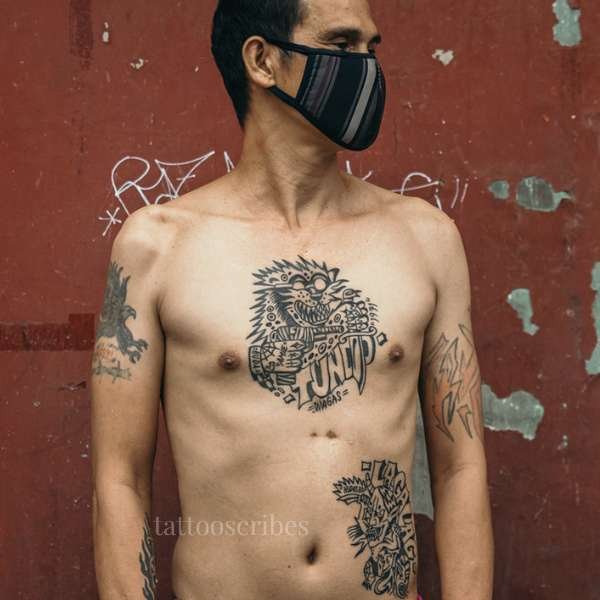
Cultural Meanings of Jailhouse Tattoos
- Russian Prisons – Tattoos indicate rank, crimes, and personal codes of honor.
- American System – Used as silent language showing gang ties or personal beliefs.
- Japanese Yakuza – Deeply symbolic of loyalty and endurance, though more formalized.
- Latin American Prisons – Designs mark territory, survival, and faith.
- Historical Context – Originally viewed as rebellion, later seen as a form of self-expression.
Read more about choosing the right jailhouse tattoo artist here.

Jailhouse Tattoo Variations and Designs
- Teardrop Tattoo – Loss, grief, or time served for a violent act.
- Five Dots Tattoo – Four walls and the prisoner within, symbolizing confinement.
- Spider Web Tattoo – Feeling trapped or marking long incarceration.
- Barbed Wire Tattoo – Personal limits, faith, or punishment.
- Cross Tattoo – Hope, forgiveness, or spiritual strength.
- Numbers & Codes – Hidden meanings linked to sentences or affiliations.
- DIY Ink Styles – Created using improvised tools, symbolizing resilience and creativity.
Explore more aftercare tips here.
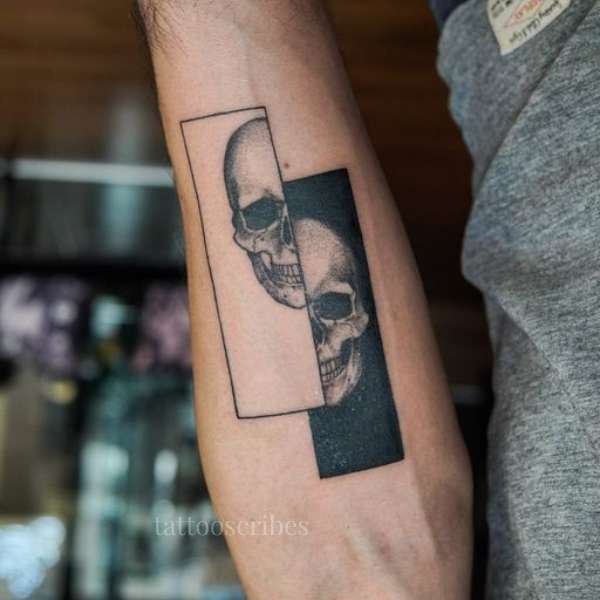
Other Symbolic Meanings of Jailhouse Tattoos
- Transformation – Turning pain into personal evolution.
- Faith – Finding spiritual purpose during imprisonment.
- Warning or Protection – Sending signals of strength to others.
- Memorials – Honoring lost loved ones or fallen friends.
- Freedom – Represents life beyond confinement and emotional release.
Meaningful Placement Ideas
- Hands or Knuckles – Strength, defiance, or personal code.
- Face or Neck – Loyalty to identity or gang affiliation.
- Chest – Deep emotions, love, or faith close to the heart.
- Back – Life stories carried as protection from behind.
- Arms – Commitment, faith, or visible strength.
Frequently Asked Questions
Are jailhouse tattoos illegal?
No, but creating or wearing them in prison often violates prison rules.
Do jailhouse tattoos fade faster?
Yes, because improvised tools and inks aren’t professional grade.
What does a teardrop tattoo mean in prison?
It can symbolize loss, grief, or time served for violence.
Can you get a jailhouse tattoo outside prison?
Yes — many people choose them today as symbols of resilience or awareness.
Why are jailhouse tattoos considered powerful?
They hold raw emotion and real-life stories of survival and change.
Wrapping It Up
Jailhouse tattoos aren’t just body art. They’re often a record, of time served, of loyalty, of a story someone carried with them long after they got out.
Context matters more here than with almost any other tattoo style. The same symbol can mean something different depending on where it was done, who did it, and what era it’s from. That’s part of why a quick list only gets you so far, the real research digs into the history behind each one.