
A family Hawaiian tattoo is about more than looking good, it’s about carrying your people with you. These designs honor ancestry, love, and protection, often through symbols passed down for generations.
In Hawaiian culture, this idea of lineage has a name: moʻokūʻauhau, or genealogy. It’s not just a family tree, it’s a living connection to the people who came before you. The University of Hawaiʻi System has a good short explainer on what moʻokūʻauhau means and why it matters.
In this guide, we’ll walk through what family Hawaiian tattoos mean, popular symbols like tiki figures and tribal patterns, and where to place them for the most meaning.
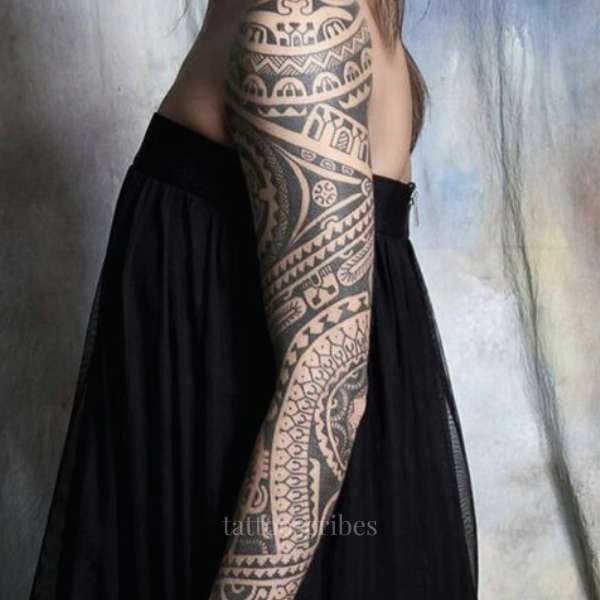
What Do Family Hawaiian Tattoos Mean?
Family Hawaiian tattoos represent love, protection, and lineage. They celebrate family ties, ancestry, and cultural pride while reflecting personal stories and heritage.
General Symbolism of Family Hawaiian Tattoos
- Family Bond – Highlights love and unity among relatives.
- Ancestry – Honors ancestors and personal lineage.
- Protection – Serves as a spiritual shield for loved ones.
- Loyalty – Symbolizes commitment and devotion to family values.
- Identity – Reflects personal heritage and cultural roots.
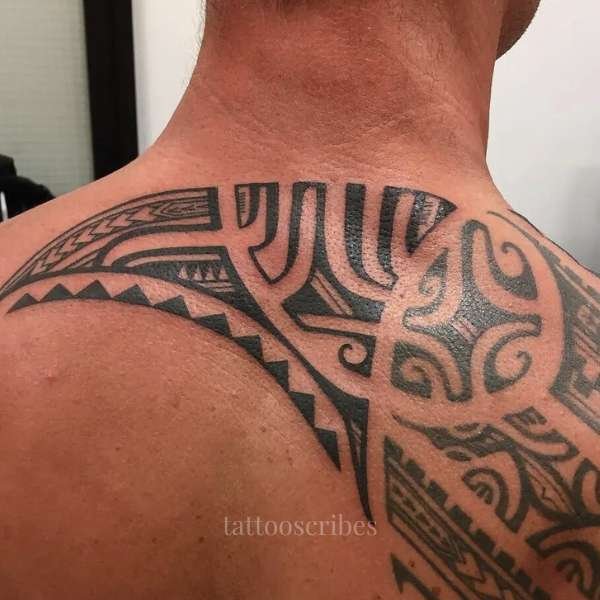
Cultural Meanings of Family Hawaiian Tattoos
- Hawaiian Heritage – Tattoos honor family and ancestral traditions.
- Tribal Significance – Represents rank, roles, and responsibilities within the community.
- Spiritual Connection – Links wearers to gods, nature, and family spirits.
- Life Lessons – Designs often tell stories of family history or moral teachings.
- Community Bonds – Reinforces loyalty and belonging to the extended family or tribe.
You may also like below posts:
Family Hawaiian Tattoo Variations and Designs
- Polynesian Tribal Patterns – Geometric designs representing genealogy.
- Kū or Lono Symbols – Depict gods tied to protection and guidance.
- Tiki Figures – Spiritual guardians watching over family members.
- Hibiscus or Plumeria – Flowers symbolizing family love and harmony.
- Wave or Ocean Motifs – Represents connection to homeland and ancestry.
- Color Variations – Black for tradition, subtle shading for depth, sometimes hints of natural color.
Other Symbolic Meanings of Family Hawaiian Tattoos
- Legacy – Acts as a permanent symbol of family history and values.
- Guidance – Reflects ancestral wisdom protecting the family.
- Resilience – Shows the strength of family through challenges.
- Unity – Emphasizes harmony and togetherness.
- Respect – Honors elders and cultural customs.
Learn more about selecting the right artist here.
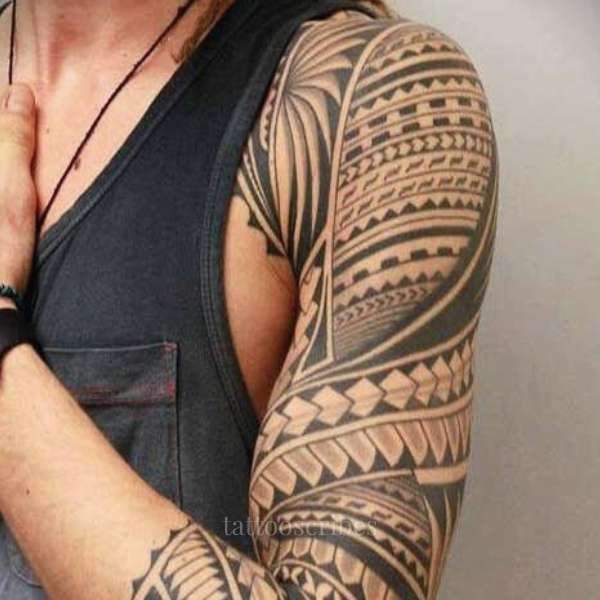
Meaningful Placement Ideas
- Legs or Calf – Connection to life journey and roots.
- Forearm – Visible tribute to family pride.
- Upper Arm/Shoulder – Shows strength and protection.
- Back – Large designs for storytelling or ancestral representation.
- Chest – Close to the heart for emotional significance.
Find more aftercare tips here.
Frequently Asked Questions
What do Hawaiian family tattoos symbolize?
They represent ancestry, love, protection, and cultural pride.
Can women wear family Hawaiian tattoos?
Yes, designs are meaningful for both men and women.
Are family Hawaiian tattoos only tribal designs?
Mostly, but floral and ocean motifs are also popular.
Do these tattoos honor ancestors?
Yes, they connect the wearer with family lineage and heritage.
What colors are used in Hawaiian family tattoos?
Traditionally black, with optional shading or subtle natural colors.
Where is the best placement for family Hawaiian tattoos?
Forearm, chest, back, shoulder, or calf depending on size and meaning.
Final Thoughts 🌺
A family Hawaiian tattoo isn’t just a design choice, it’s a way of keeping people close, even the ones who came before you. Whether it’s a tribal pattern, a tiki figure, or a simple wave motif, the meaning comes from what it represents to your own family, not just the general symbolism.
Take the time to talk with your artist about which symbols actually fit your story, and don’t be afraid to ask questions about the cultural roots behind a design before it’s permanent. 🌺