
A daisy tattoo looks simple, but it carries real meaning. It’s tied to innocence, new beginnings, and quiet hope, the kind of symbolism people choose when they want something gentle but personal.
That meaning isn’t new either. Daisies were part of the Victorian “language of flowers,” a whole system where flowers stood in for words people couldn’t say out loud.
You can read more about that tradition from the V&A Museum’s history of Victorian floral jewelry.
In this guide, we’ll cover what a daisy tattoo means, popular color choices, and design ideas to help you find the version that fits your story.
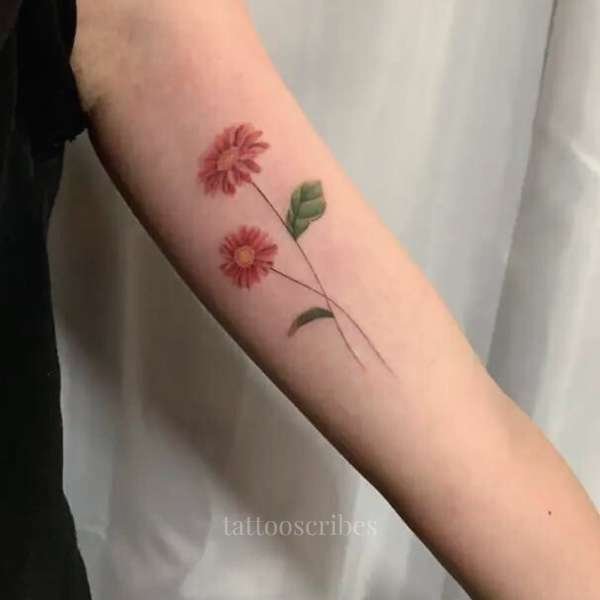
What Does a Daisy Flower Tattoo Mean?
A daisy flower tattoo meaning symbolizes fresh starts, innocence, and loyal love. This gentle bloom represents positivity, purity, and light-hearted energy. Many choose it to remind themselves to find beauty and hope even in simple moments.
General Symbolism of Daisy Flower Tattoos
- Innocence – Reflects purity of heart and simple joys.
- New Beginnings – Signifies starting over or embracing change.
- Hope – Encourages optimism and brighter days ahead.
- Loyal Love – Represents honest affection and devotion.
- Femininity – Embodies grace, gentleness, and inner strength.
- Positivity – A reminder to stay cheerful and see good in all things.

Cultural Meanings of Daisy Flower Tattoos
- Norse Mythology – Associated with Freya, goddess of love and fertility.
- Celtic Beliefs – Seen as a charm of renewal and protection.
- Victorian Era – Expressed secret love and modesty through flower symbolism.
- Christian Tradition – Represents purity and innocence of the Virgin Mary.
- Native Symbolism – Linked to harmony, unity, and the cycles of life.
Daisy Tattoo Variations and Designs
- Single Daisy Tattoo – Simplicity and peace.
- Bouquet of Daisies – Family love and togetherness.
- Daisy with Butterfly – Growth and transformation.
- Daisy and Sun – Joy, warmth, and vitality.
- Daisy with Quote – Personal reminder of strength or hope.
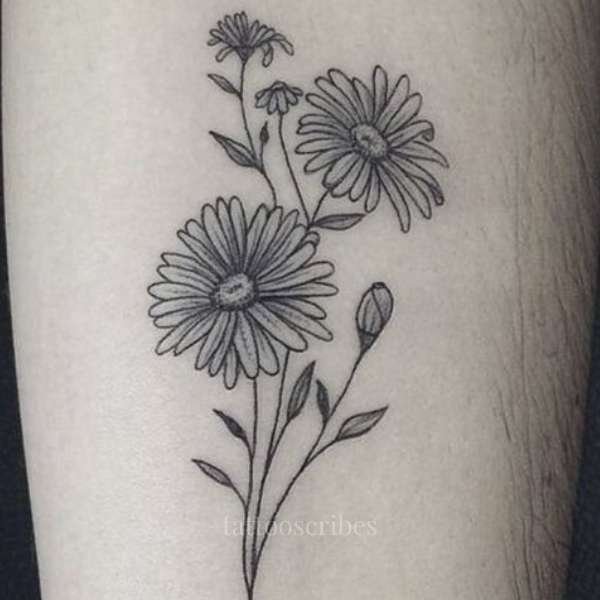
Color Variations of Daisy Flower Tattoos
- White Daisy – Innocence and clarity.
- Yellow Daisy – Friendship and happiness.
- Pink Daisy – Love, warmth, and emotional healing.
- Blue Daisy – Calmness and faithfulness.
Learn more about choosing an artist here.
Other Symbolic Meanings of Daisy Flower Tattoos
- Rebirth – A fresh start after struggle or change.
- Healing – Renewal of emotional strength.
- Childhood Memories – Connection to nostalgia and carefree times.
- Motherhood – Nurturing and unconditional love.
- Harmony – Balance between inner peace and outer life.
Discover detailed aftercare tips here.
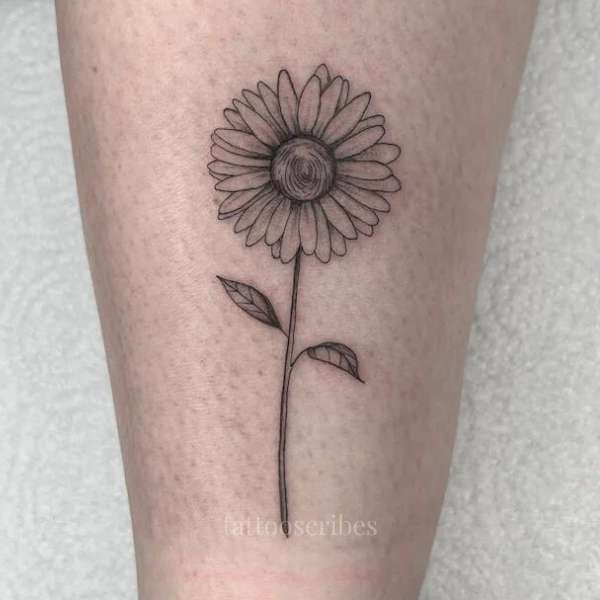
Meaningful Placement Ideas
- Wrist – A daily symbol of light and renewal.
- Shoulder – Soft expression of love and freedom.
- Ankle – A sign of gentle strength and forward movement.
- Behind the Ear – Whisper of joy and femininity.
- Collarbone – Symbol of grace and new beginnings.
You may also like below posts:
Frequently Asked Questions
What does a daisy tattoo represent?
It represents innocence, purity, and new beginnings.
Are daisy tattoos only for women?
No — anyone can wear them as symbols of positivity and renewal.
What color daisy is most popular for tattoos?
White and yellow daisies are most common for purity and happiness.
Can I combine daisies with other flowers?
Yes, they pair beautifully with sunflowers, roses, or lilies for layered meaning.
What does a daisy with a name tattoo mean?
It often honors a loved one or symbolizes cherished memories.
Do daisies have a spiritual meaning?
Yes, they represent harmony, faith, and renewal of the soul.
Final Thoughts
A daisy tattoo doesn’t need to be complicated to mean something.
It’s one of the few symbols where the simplicity is the point, a small flower standing in for a fresh start, an honest heart, or hope you want to carry with you.
If you’re drawn to it, think about which part of the meaning fits you best: purity, new beginnings, or quiet loyalty.
That’s what should guide your color and placement choice, not just what looks good in a photo.