
A Buddha tattoo means more than peace and calm. It’s tied to enlightenment, compassion, and a real spiritual tradition that a lot of people wear without knowing the full story behind it.
Before you book one, it’s worth knowing that placement matters here more than with most tattoo symbols. In many Buddhist cultures, a Buddha image on the lower body or feet is seen as disrespectful, since the image is meant to be honored, not stepped on or sat on. Lion’s Roar, a respected Buddhist publication, has a good breakdown of how this plays out in real life.
In this guide, we’ll cover what a Buddha tattoo means, popular design styles, and how to wear one in a way that honors where it comes from.
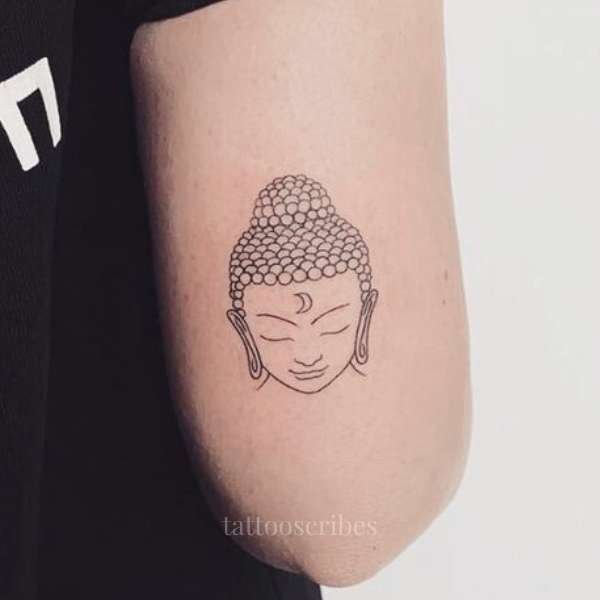
What Do Buddha Tattoos Mean?
A Buddha tattoo meaning reflects spiritual growth, wisdom, and compassion. It reminds you to seek balance, let go of negativity, and live in peace. Many choose this design as a daily guide toward mindfulness and self-discovery.
General Symbolism of Buddha Tattoos
- Enlightenment – Represents awakening and the path to truth.
- Inner Peace – Encourages calmness and acceptance in life.
- Compassion – Reflects kindness toward yourself and others.
- Balance – Symbolizes harmony between mind, body, and spirit.
- Detachment – A reminder to release worldly attachments and ego.
- Wisdom – Signifies insight gained through meditation and awareness.
You may also like below posts:

Cultural Meanings of Buddha Tattoos
- Buddhism – Sacred image symbolizing spiritual devotion and moral living.
- Thailand & Myanmar – Buddha tattoos (Sak Yant) used for protection and good fortune.
- Japan – Reflects meditation, mindfulness, and artistic spiritual expression.
- India – Honors Buddha’s teachings of peace and enlightenment.
- Western Cultures – Represents calmness, personal growth, and mindfulness.
Buddha Tattoo Variations and Designs
- Laughing Buddha Tattoo – Brings joy, luck, and positive energy.
- Meditating Buddha Tattoo – Symbol of mindfulness and peace.
- Buddha Eyes Tattoo – Represents omniscience and spiritual awareness.
- Lotus Buddha Tattoo – Purity, growth, and enlightenment.
- Half-Face Buddha Tattoo – Duality of peace and struggle within.
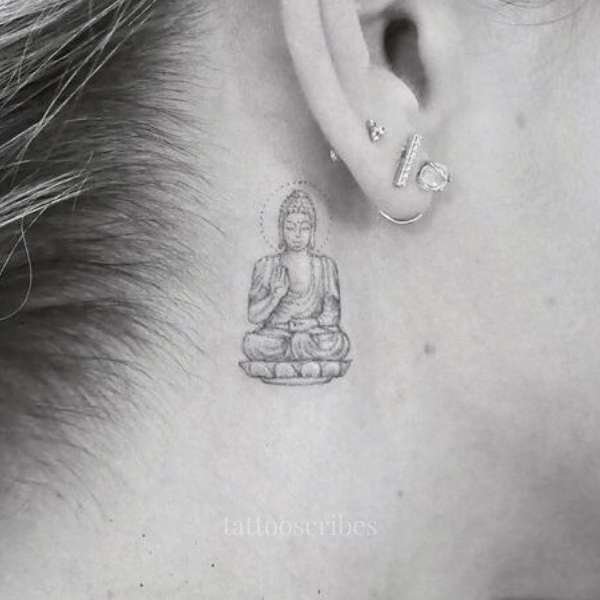
Color Meanings of Buddha Tattoo
- Gold – Divinity and enlightenment.
- Blue – Calmness and compassion.
- White – Purity and truth.
- Black – Strength and inner resilience.
Learn more about selecting the perfect artist here.
Other Symbolic Meanings of Buddha Tattoos
- Healing – Promotes mental clarity and emotional balance.
- Protection – Believed to guard against negative energy.
- Spiritual Journey – Marks transformation through self-realization.
- Patience & Acceptance – Encourages mindfulness and grace in life’s challenges.
- Hope – Inspires inner light even during dark times.
Find detailed aftercare tips here.
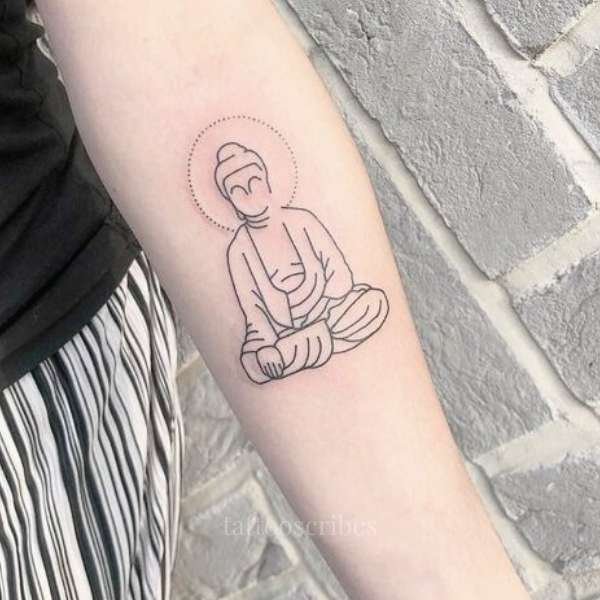
Meaningful Placement Ideas
- Back – Represents spiritual strength and life’s foundation.
- Chest – Connection between heart, faith, and compassion.
- Arm – Daily reminder of mindfulness and self-discipline.
- Leg – Journey of growth and movement through life.
- Shoulder – Balance between protection and inner power.
People Also Ask
Is it disrespectful to get a Buddha tattoo?
It depends on placement and intent. Avoid feet or lower body out of respect.
What does a Buddha tattoo represent?
Peace, enlightenment, and the pursuit of wisdom.
Can non-Buddhists get a Buddha tattoo?
Yes, as long as it’s done respectfully and with understanding of its meaning.
Which Buddha tattoo brings good luck?
The Laughing Buddha tattoo is often associated with happiness and prosperity.
Are colored Buddha tattoos symbolic?
Yes — gold for enlightenment, blue for compassion, and white for purity.
Ending
A Buddha tattoo carries weight most tattoo symbols don’t. It’s not just decoration, it’s a sacred image with real meaning to real communities, and that’s worth sitting with before you commit.
That doesn’t mean you can’t get one if it’s meaningful to you. It means doing it thoughtfully: pick a placement that honors the image, understand what you’re choosing before it’s permanent, and talk to your artist about both the design and the intention behind it.