
A stag tattoo isn’t just a pretty animal design. It carries real weight, tied to strength, leadership, and renewal.
Much of that comes from Celtic mythology, where the stag was closely linked to Cernunnos, the horned god of the forest and wild places. You can read more about him in World History Encyclopedia’s overview of Cernunnos. His antlers, shed and regrown each year, became a symbol of rebirth long before tattoo culture picked it up.
In this guide, we’ll cover what a stag tattoo means across different cultures, popular design variations, and where to place one for the best effect.
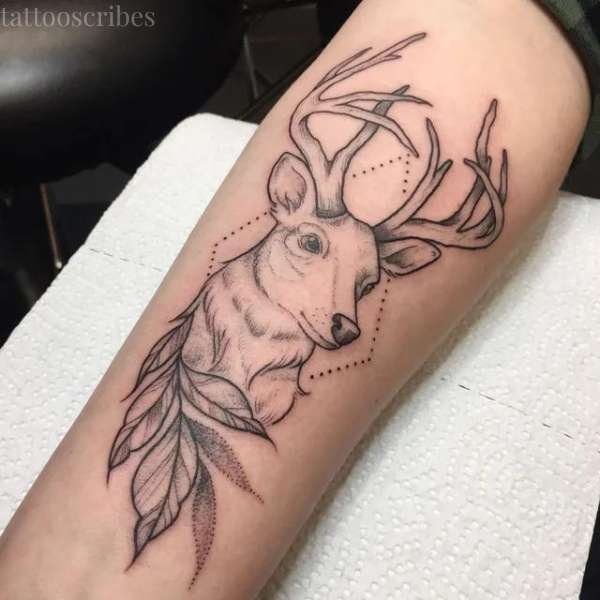
What Do Stag Tattoos Mean?
A stag tattoo represents strength, leadership, and spiritual growth. It often symbolizes renewal, protection, and harmony with nature. Many designs also highlight courage and personal transformation.
General Symbolism of Stag Tattoos
- Strength – Shows resilience, inner power, and endurance.
- Courage – Reflects bravery in facing challenges or change.
- Renewal – Symbolizes rebirth and the cycles of life.
- Spiritual Guidance – Represents wisdom and connection to higher forces.
- Freedom – Embodies independence and untamed nature.
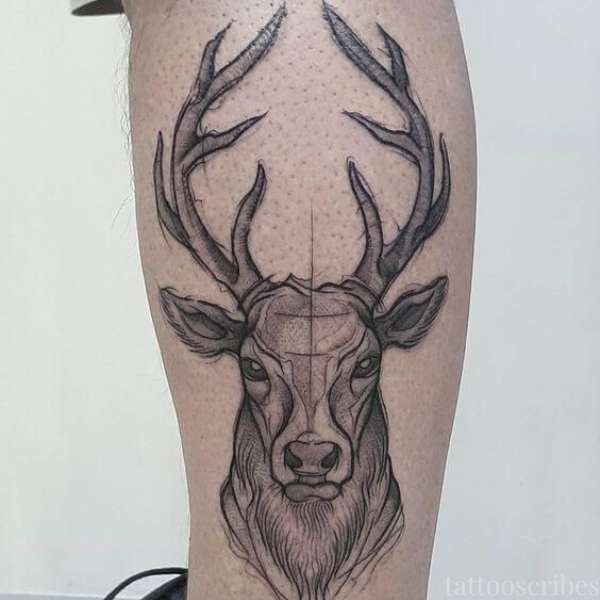
Cultural Meanings of Stag Tattoos
- Celtic Culture – Stags symbolize sovereignty, protection, and nature spirits.
- Native American – Represents spiritual guidance, alertness, and intuition.
- Japanese Culture – Deer or stag symbolize longevity, good luck, and prosperity.
- European Mythology – Stags often represent kingship, leadership, and sacred forests.
- Folk Traditions – Seen as messengers between the physical and spiritual worlds.

Stag Tattoo Variations and Designs
- Full-Body Stag – Powerful and dramatic, emphasizes strength and majesty.
- Stag Head Only – Focuses on courage, leadership, and alertness.
- Antler Designs – Symbolize growth, wisdom, and spiritual energy.
- Watercolor Stag – Adds artistic flair, vibrancy, and personal expression.
- Geometric Stag – Combines modern aesthetics with traditional symbolism.
Color Variations of Stag Tattoo
- Brown/Realistic – Nature, grounding, and realism.
- Black – Strength, mystery, and endurance.
- White – Purity, spiritual connection, and renewal.
Explore tips for selecting a tattoo artist here.
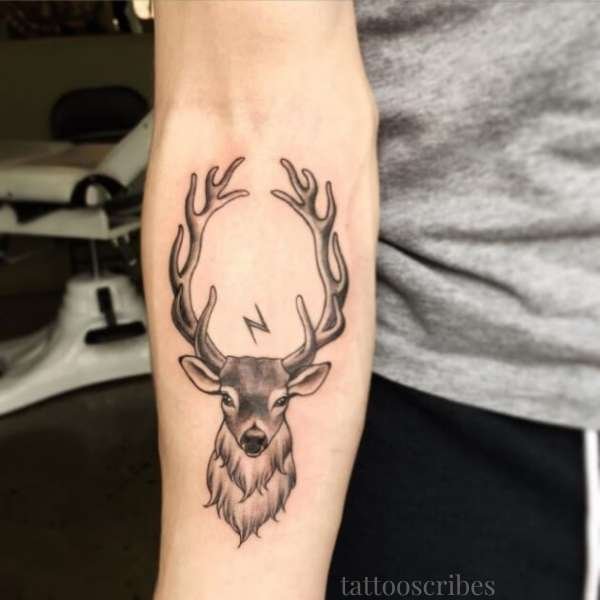
Other Symbolic Meanings of Stag Tattoos
- Protection – Seen as guardians or spiritual guides.
- Leadership – Represents authority and personal responsibility.
- Connection to Nature – Reflects harmony and ecological awareness.
- Transformation – Ability to adapt and evolve through life challenges.
- Fertility and Abundance – In some cultures, linked to growth and prosperity.
Learn more about tattoo aftercare here.
Meaningful Placement Ideas
- Forearm – Shows strength and courage outwardly.
- Back – Large designs for majesty and protection symbolism.
- Chest – Close to heart, representing leadership or personal power.
- Legs – Movement, freedom, and journey symbolism.
- Shoulder – Authority, strength, and guardianship.
You may also like below posts:
Frequently Asked Questions
What does a stag tattoo symbolize?
It represents strength, courage, renewal, and spiritual guidance.
Are stag tattoos masculine or feminine?
They are unisex and can reflect power, grace, or personal meaning.
What is the meaning of stag antlers?
Antlers symbolize growth, wisdom, and spiritual energy.
Can a stag tattoo represent nature?
Yes, it embodies harmony, freedom, and connection to the natural world.
What colors are best for a stag tattoo?
Brown for realism, black for strength, white for purity and renewal.
Do stag tattoos have cultural significance?
Yes, Celtic, Native American, Japanese, and European cultures all attach symbolic meanings.
Final Thoughts 🦌
A stag tattoo works because it says something without shouting it. Strength, leadership, renewal, all carried by one animal that’s shown up in myth and folklore for thousands of years.
Whether you’re drawn to the Celtic roots, the Native American associations with intuition and guidance, or just the way antlers look rendered in ink, pick the version that actually reflects what you want to carry. A full-body stag on the back reads differently than a small antler on the wrist, and both are valid depending on what you’re going for.