Tribal tattoo pattern meanings go a lot deeper than one single style. “Tribal” actually covers several different cultures, each with its own history, rules, and symbols. Maori tā moko is one of the most well-documented traditions, carved into the skin rather than inked, and closely tied to a person’s identity and status. You can read more about its real history from Te Ara, the Encyclopedia of New Zealand.
In this guide, we’ll cover what tribal tattoo patterns mean across different cultures, popular styles, and placement ideas, so you can choose a design you actually understand.
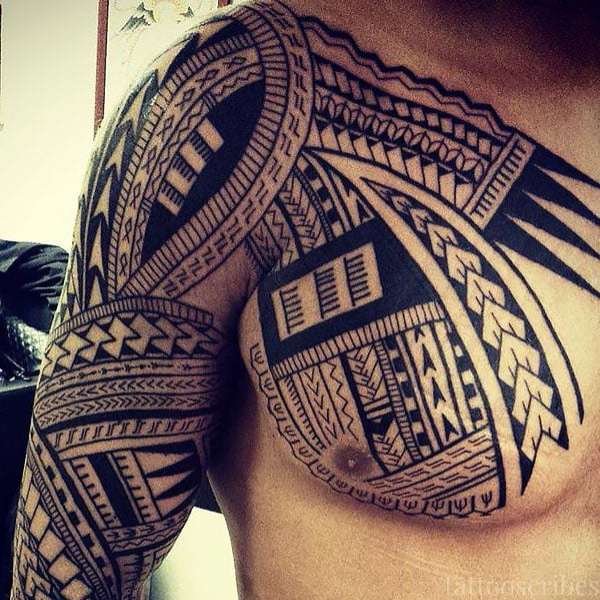
What Does a Tribal Tattoo Pattern Mean?
A tribal tattoo pattern represents strength, tradition, and individuality. It often reflects cultural heritage, personal achievements, or spiritual protection. Each pattern tells a story unique to its wearer and origin.
General Symbolism of Tribal Tattoo Patterns
- Strength – Shows courage, resilience, and inner power.
- Identity – Marks personal or cultural belonging.
- Heritage – Honors ancestry and traditional roots.
- Protection – Believed to guard against evil or misfortune.
- Spirituality – Connects wearer to nature, ancestors, or spiritual forces.

Cultural Meanings of Tribal Tattoo Patterns
- Polynesian Tribes – Tattoos symbolize family, rank, and achievements.
- Maori Culture – Patterns called moko indicate social status and lineage.
- African Tribes – Tattoos mark rites of passage and tribal identity.
- Native American – Designs represent nature, animals, and spiritual guidance.
- Celtic Tribes – Knots and patterns symbolize eternity, unity, and life cycles.
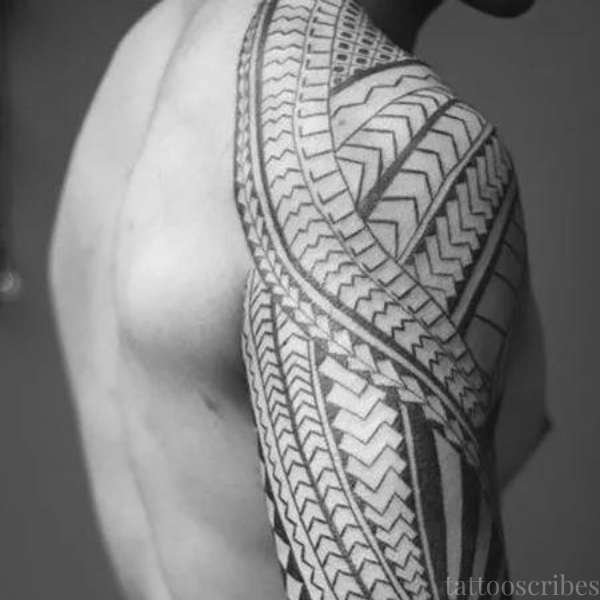
Tribal Tattoo Pattern Variations and Designs
- Geometric Patterns – Repeating shapes symbolizing harmony and balance.
- Animal-Inspired Patterns – Represent courage, wisdom, or protection.
- Line Work – Bold or intricate lines reflecting heritage and storytelling.
- Combination Designs – Mix of tribal elements and modern tattoos.
- Color Variations – Mostly black for tradition, some modern designs include red or earthy tones.
You may also like below posts:
Other Symbolic Meanings of Tribal Tattoo Patterns
- Unity – Represents connection to tribe, family, or community.
- Rites of Passage – Marks milestones, achievements, or spiritual growth.
- Courage – Symbolizes bravery in life’s challenges.
- Mysticism – Reflects spiritual beliefs or ancestral guidance.
- Personal Storytelling – Each tattoo pattern narrates the wearer’s journey.
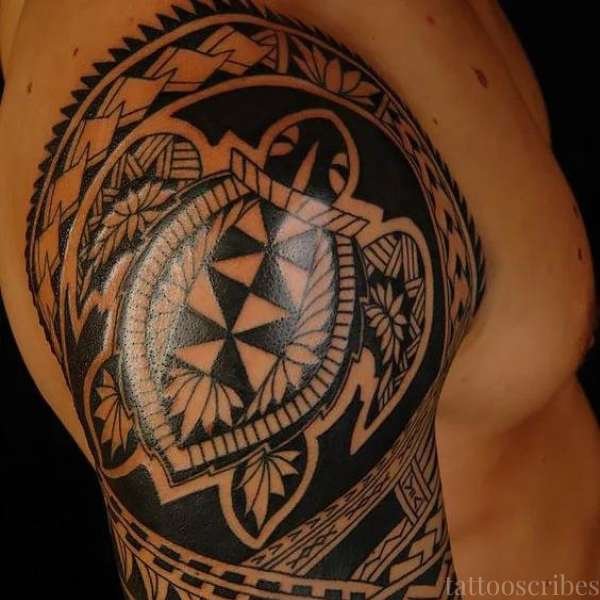
Meaningful Placement Ideas
- Arms and Forearms – Strength and heritage displayed outwardly.
- Chest – Close to the heart, representing personal identity and pride.
- Back – Large designs symbolize protection and ancestral connection.
- Legs or Calves – Reflect a journey or milestone achieved.
- Shoulders – Marks courage and life strength.
Frequently Asked Questions
What does a tribal tattoo pattern symbolize?
It represents strength, identity, heritage, and personal or cultural stories.
Are tribal tattoos cultural appropriation?
Respect for the culture and meaning behind each design is essential.
Which tribal tattoos are most popular?
Polynesian, Maori, and Celtic designs are widely sought after.
Can women get tribal tattoos?
Yes, they symbolize strength, identity, and personal storytelling for all genders.
Do tribal tattoo colors have meanings?
Traditional patterns are mostly black; modern designs may use red or earth tones.
Where is the best place for a tribal tattoo?
Arms, chest, back, shoulders, or legs depending on size and symbolism.
Before You Leave
“Tribal tattoo” is really shorthand for several different traditions bundled into one word, and that’s worth knowing before you pick a design. Maori tā moko, Polynesian patterns, Celtic knotwork, and African tribal marks each carry their own histories and rules, not one shared meaning.
If a pattern comes from a specific living culture, it’s worth doing a little homework first, and maybe finding an artist who actually works within that tradition, rather than picking a bold design off a flash sheet. The strength and identity these patterns represent means more when you know where it actually comes from.