
A dragon tattoo means power, but it means a lot more than just that too. Depending on the culture and the style, a dragon can stand for wisdom, protection, luck, or personal transformation.
Dragons have carried serious weight in Chinese culture for centuries, once reserved for emperors alone. Kyoto National Museum has a good overview of how the dragon became tied to imperial power if you want the deeper history.
In this guide, we’ll cover what a dragon tattoo means across cultures, popular design styles, colors, and where people place them most.
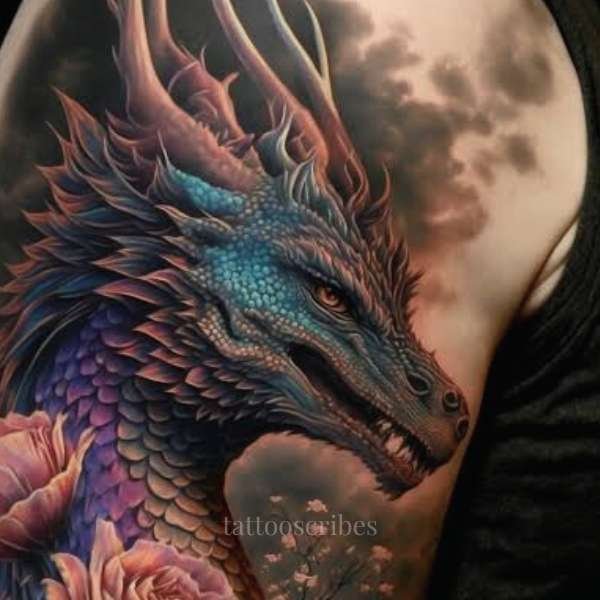
What Does a Dragon Tattoo Mean?
A dragon tattoo represents power, courage, and transformation. It reflects your inner strength, resilience, and ability to overcome challenges. Dragons also symbolize spiritual wisdom and protection, making them meaningful across many cultures.
General Symbolism of Dragon Tattoos
- Strength – Shows inner power and determination.
- Courage – Reflects bravery in facing challenges and fears.
- Transformation – Represents personal growth and life changes.
- Wisdom – Symbolizes knowledge, intuition, and insight.
- Protection – Acts as a spiritual guardian against harm.
You may also like below posts:

Cultural Meanings of Dragon Tattoos
- Chinese Culture – Dragons symbolize luck, power, and imperial authority.
- Japanese Culture – Represent wisdom, balance, and water’s life-giving force.
- Western Culture – Often linked to heroism, dragons as challenges to overcome.
- Celtic Symbolism – Dragons are guardians of sacred knowledge and earth.
- Mythology & Folklore – Reflect strength, magic, and mystical power.
Dragon Tattoo Variations and Designs
- Eastern Dragon – Serpentine, flowing, symbolizes wisdom and protection.
- Western Dragon – Winged, fiery, represents courage and conquest.
- Dragon and Fire – Shows power, passion, and destructive strength.
- Dragon and Water – Symbolizes balance, life, and renewal.
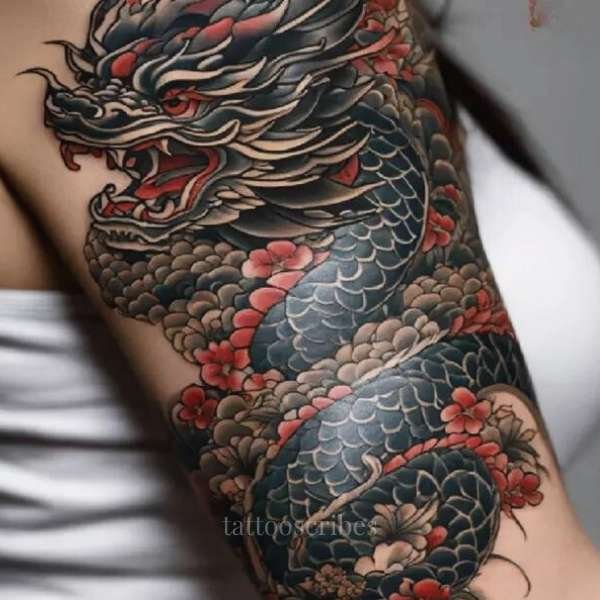
Color Variations of Dragon Tattoo
- Red – Power, passion, and energy.
- Black – Mystery, strength, and protection.
- Gold – Wisdom, wealth, and divine authority.
Learn more about selecting the perfect artist here.
Other Symbolic Meanings of Dragon Tattoos
- Spiritual Guidance – Represents inner strength and higher knowledge.
- Resilience – Overcoming obstacles with courage and determination.
- Freedom – Flying dragons symbolize independence and liberation.
- Mysticism – Connection to magical or mystical forces.
- Identity – Expresses personal power and individuality.
Find more aftercare tips here.
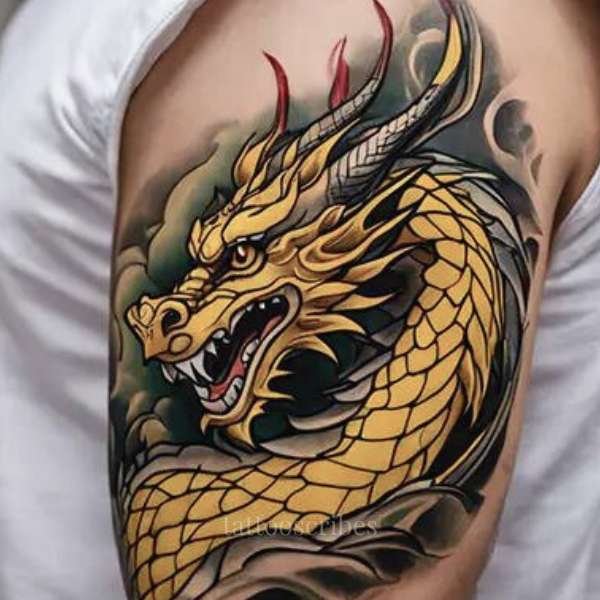
Meaningful Placement Ideas
- Back – Large designs symbolize strength and protection.
- Arm – Shows courage and power outwardly.
- Chest – Close to the heart, for personal meaning and bravery.
- Legs/Thighs – Symbolize journey, movement, and progress.
- Shoulder/Neck – Represents guidance and spiritual power.
Frequently Asked Questions About Dragon Tattoos
What does a dragon tattoo symbolize?
It represents strength, courage, transformation, and spiritual wisdom.
Are dragon tattoos good luck?
In many cultures, especially Chinese, they symbolize luck and protection.
What color dragon tattoo is most powerful?
Red for energy, black for strength, and gold for wisdom are popular.
Can women wear dragon tattoos?
Yes, they represent courage, power, and mystical beauty for all genders.
Do dragon tattoos have cultural meanings?
Yes, they reflect different symbolism in Chinese, Japanese, Celtic, and Western traditions.
What is the best placement for a dragon tattoo?
Back, arm, chest, shoulder, or leg, depending on size and meaning.
Final Verdict
A dragon tattoo carries weight because dragons never meant just one thing to begin with. Strength in one culture, wisdom in another, a guardian spirit in a third, the symbol shifts depending on where you’re looking.
That’s exactly why it’s worth picking a specific tradition rather than a generic “dragon” design. An Eastern serpentine dragon and a fire-breathing Western dragon aren’t telling the same story, even if they’re both called dragons.